In stock
Healing & Recovery
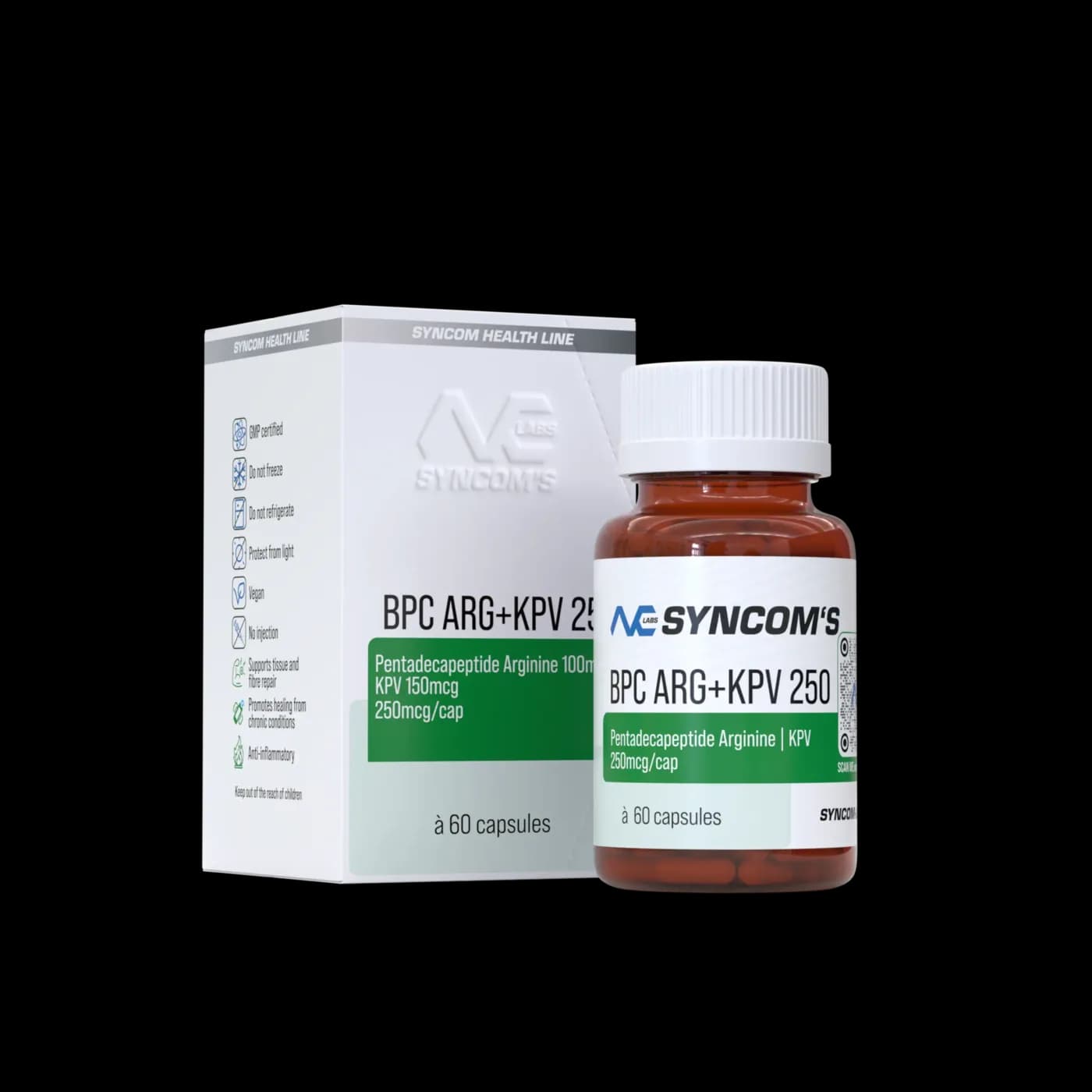
BPC-157 + KPV Capsules
Oral capsule blend of BPC-157 and KPV studied for gut-barrier and anti-inflammatory research. For laboratory research use only.
Vial
incl. VAT£39.90
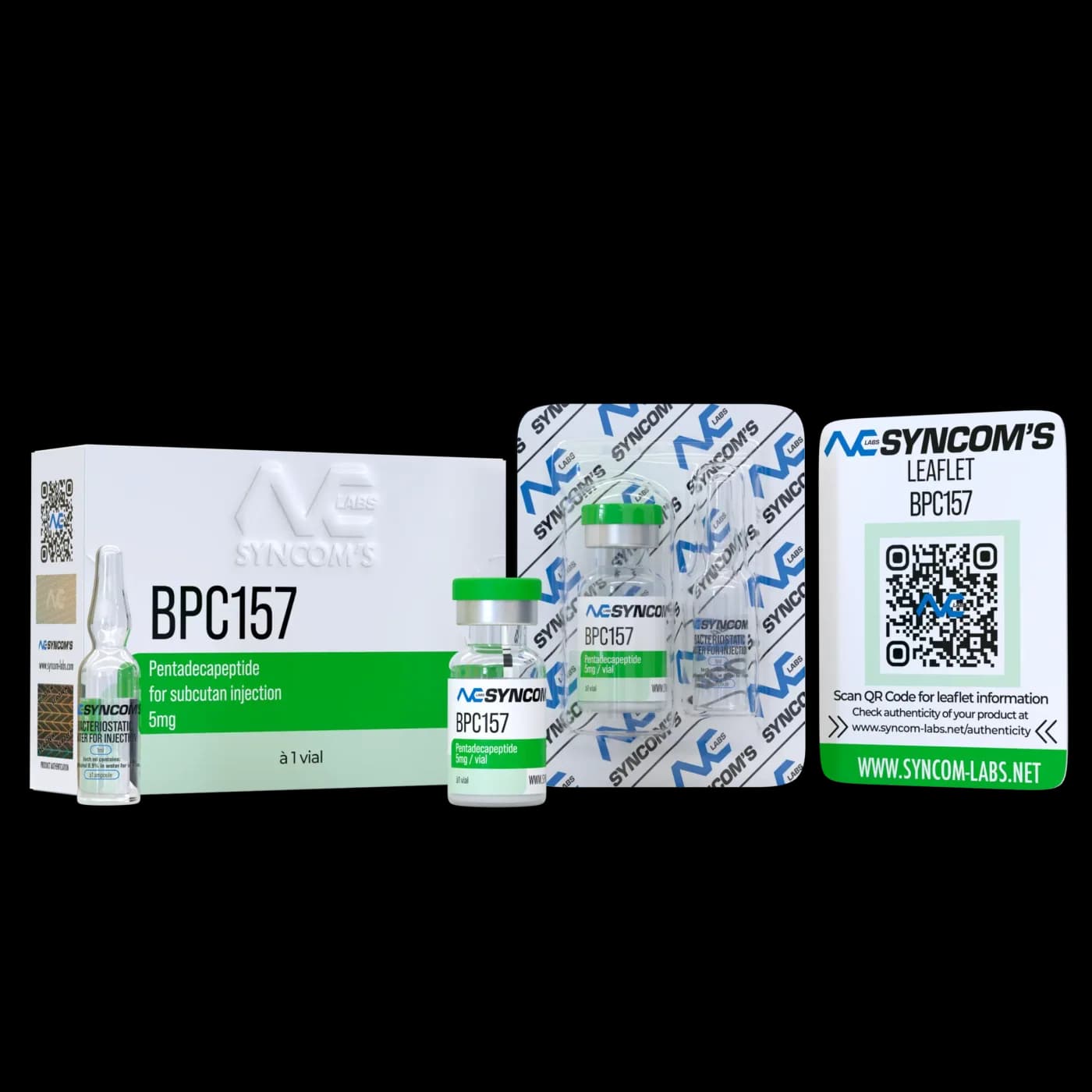
Body Protection Compound 157
Order before 12:00 on a working day and it ships today
Figures above are the release specification. The certificate shipped with your vial carries the measured values for that specific lot. Email [email protected] with an order number for the raw chromatogram.
BPC-157, short for Body Protection Compound 157, is a synthetic 15-amino-acid fragment originally isolated from a protective protein found in human gastric juice. Chemists assemble it through standard solid-phase peptide synthesis, lyophilise it, and seal it under inert atmosphere. What ends up in the vial is a fine white powder with the sequence Gly-Glu-Pro-Pro-Pro-Gly-Lys-Pro-Ala-Asp-Asp-Ala-Gly-Leu-Val and a molecular weight near 1419.5 g/mol.
If you scan published research on BPC-157, most of it sits in three buckets: tendon and ligament repair models, gastrointestinal mucosa studies, and angiogenesis work involving VEGF expression. There is also a body of rodent work on vascular function and a smaller set of papers looking at neuroprotective endpoints. That is why labs request it. It is not a one-target compound, and the in vitro and in vivo data span a wide range of injury and recovery models, which is precisely what makes it interesting as a reference peptide for comparative studies.
Every vial of BPC-157 we list comes from either a UK or EU contract peptide manufacturer we have audited. We deliberately do not stock material from unverified Chinese suppliers, because the failure mode there is not just low purity, it is misidentified sequence and inconsistent counter-ion content, both of which quietly invalidate experiments. The lots we ship test at 98 percent purity or higher by reverse-phase HPLC, with mass spec confirming sequence identity to within 1 Da.
If a vial does not match the spec on its CoA, we refund it. That is the entire money-back guarantee and we have not had to lean on it often, but it is there for a reason.
UK orders posted Monday to Thursday are dispatched the same working day in temperature-stable packaging. About nine out of ten arrive within 48 hours. Lyophilised BPC-157 is stable at room temperature for short periods but should be moved to a freezer at minus 20 C on arrival for long-term storage. Once reconstituted in bacteriostatic water, it is generally kept refrigerated and used within a couple of weeks for any experimental work where peptide integrity matters.
If you need ten or more vials of BPC-157 for a longer study or a multi-arm protocol, message support and we will quote a custom price rather than asking you to add to cart ten times. Our live chat is staffed by humans during UK working hours, including the people who actually pack the orders, so technical questions about reconstitution, storage, or the CoA itself get a useful answer rather than a script.
Sold strictly for in vitro laboratory research. Not for human or veterinary use. UK 18+.
Yes, BPC-157 can be bought and held in the UK as a research chemical, which is how we supply it: for laboratory use only. It is not licensed as a medicine by the MHRA and is not sold for human or veterinary use. It is also on the WADA prohibited list, so it has no place in tested sport. Every vial is labelled research use only.
Most UK orders are dispatched the same working day when placed before the afternoon cut-off, with tracked delivery from there. BPC-157 ships as a lyophilised (freeze-dried) powder in a sealed vial, which is stable at room temperature in transit. We hold stock in the UK from verified EU and UK manufacturers, so orders are not waiting on customs.
The CoA documents two things for the specific batch you receive: purity by HPLC, usually stated above 98 percent, and identity by mass spectrometry confirming the molecular weight matches BPC-157. The batch number on the vial matches the number on the certificate, so the paperwork is traceable to your exact vial rather than a generic sample from another lot.
BPC-157, or Body Protection Compound 157, is a synthetic pentadecapeptide, a chain of 15 amino acids based on a fragment identified in gastric juice. Published in-vitro and animal research has looked at its effects on tendon, muscle and bone tissue models, gut lining integrity and angiogenesis. All of that work is preclinical; we make no claims about effects in humans.
Researchers typically reconstitute the lyophilised powder with bacteriostatic water, drawn slowly down the vial wall rather than directly onto the pellet. Keep the sealed powder away from light; it stays stable for many months refrigerated and longer frozen. Once reconstituted, solutions are usually kept at 2 to 8 degrees C and used within a few weeks, with freeze-thaw cycles kept to a minimum.
Pricing is shown live on this page, and larger research quantities are straightforward to arrange. If you are buying multiple vials for an ongoing protocol or across several compounds, contact us before ordering and we will sort out a quote. Every vial in a bulk order still ships with its own batch-matched CoA, so traceability is not lost at volume.
Oral capsule blend of BPC-157 and KPV studied for gut-barrier and anti-inflammatory research. For laboratory research use only.
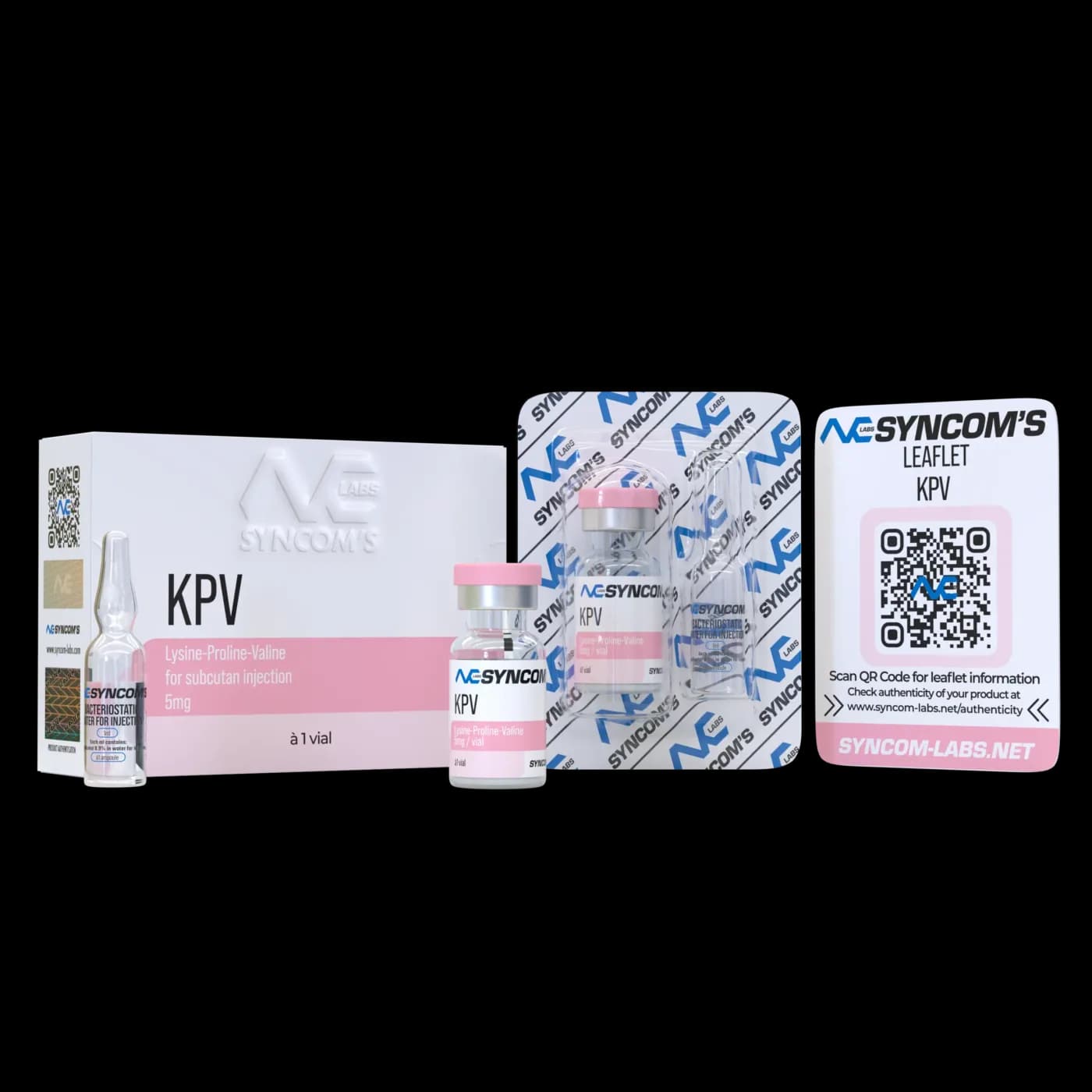
KPV, a tripeptide fragment of alpha-MSH studied for its anti-inflammatory and gut-barrier signalling properties. For laboratory research use only.
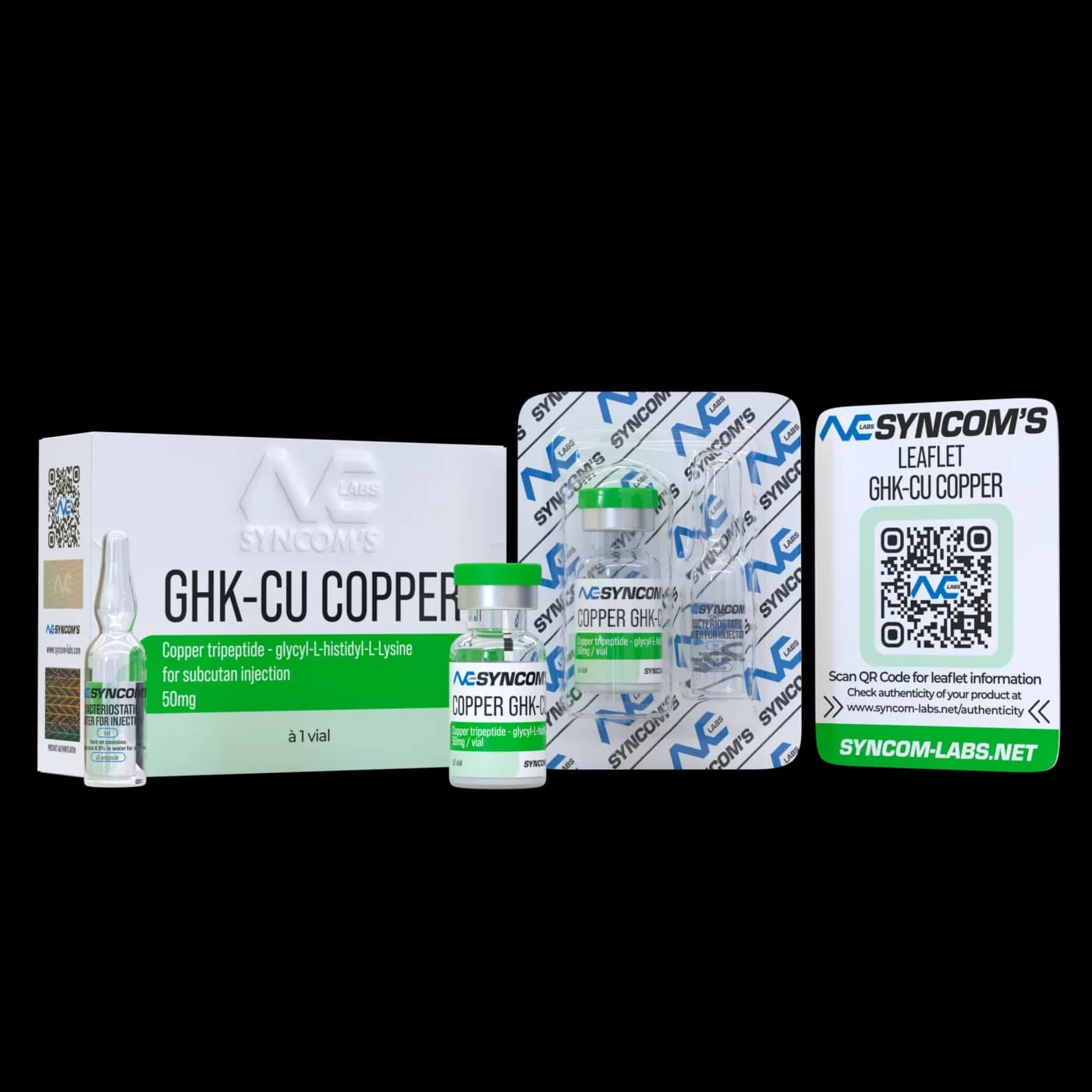
Copper Tripeptide-1 (Gly-His-Lys:Cu)
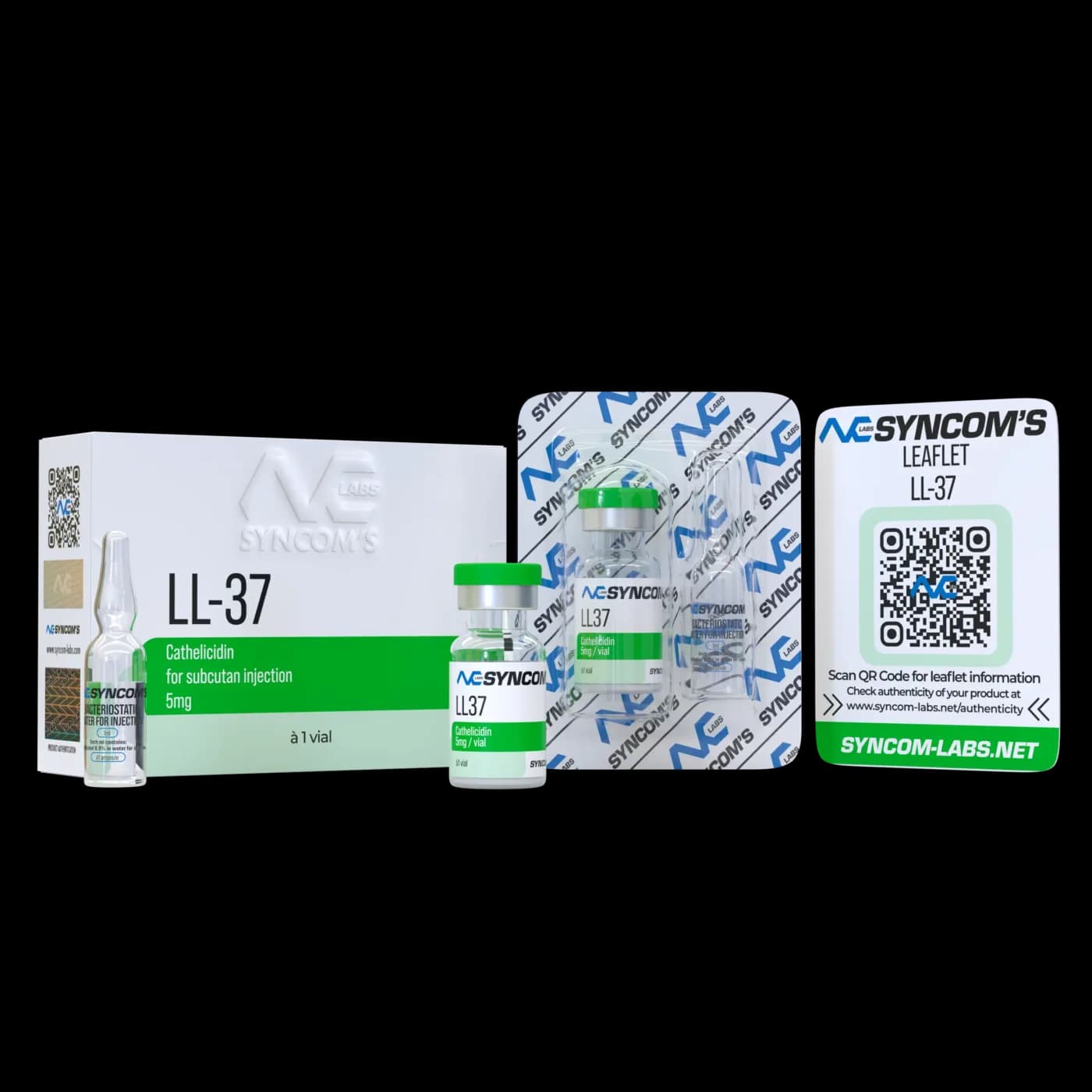
LL-37, a human cathelicidin antimicrobial peptide studied for innate immune and antimicrobial activity. For laboratory research use only.